Assistant



 Guaranteed provenanceDirect from the estates
 DeliveryFree standard delivery over HK$5,000
 Secure PaymentVisa, American Express, Mastercard...

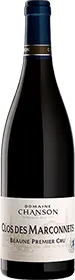
Chanson : Beaune 1er cru "Clos des Marconnets" Domaine 2020
In-Stock
Let's talk about this product!
A pairing in mind? A question about the vintage? Comparison with another product? Find the answers here...
Description
Tasting Notes and Serving Tips for the Beaune 1er cru "Clos des Marconnets" 2020 from Domaine Chanson
Tasting
Color
This wine displays a deep ruby hue, enhanced by cherry and garnet highlights, with brilliant clarity.
Nose
The nose reveals fine aromatic complexity, combining notes of ripe red fruits (strawberry, raspberry) with darker fruits (black cherry, blackberry). Floral nuances of peony and violet add an elegant dimension, while spicy touches of clove and black pepper accompany subtle mineral notes reminiscent of limestone. With aeration, aromas of vanilla and discreet oak round out this harmonious bouquet.
Palate
The attack is round and generous, with a beautiful fruity expression of blackberry and blueberry. The texture is full and velvety, carried by fine, elegant tannins that give the wine structure without harshness. Freshness is remarkably preserved despite the vintage’s warm conditions, bringing vibrancy and balance. Spicy notes of gingerbread and cinnamon emerge mid-palate, while the long, persistent finish leaves an impression of candied fruit and subtle oaky touches.
Food and wine pairings
This Beaune 1er cru "Clos des Marconnets" 2020 is a perfect match for red meats in sauce, feathered or furred game, as well as roast poultry. It also pairs very well with Burgundian cheeses such as Époisses, or aged hard cheeses.
Serving and cellaring
This wine can be enjoyed now but will gain in complexity over time. It can be enjoyed through around 2030. A serving temperature between 15 and 17°C will allow it to reveal all its finesse.
A Beaune Premier Cru combining concentration and freshness
The estate
Founded in 1750 in Beaune by Simon Verry, Domaine Chanson is an emblematic Burgundy House, anchored by the Bastion acquired in 1794, whose historic cellars are an integral part of its identity. Owned by the Bollinger group since 1999, the estate has been led since 2025 by Thierry Berger. It farms 43 hectares in Côte de Beaune, strengthened by 45 hectares acquired in 2023 in Côte Chalonnaise (Mercurey, Rully). The Côte de Beaune vineyard has been certified organic since 2024, with demanding parcel-by-parcel winemaking.
The vineyard
The Climat "Clos des Marconnets" lies at the northern end of the Beaune appellation, just above the famous Clos du Roi. This Premier Cru covers just over nine hectares in total, of which around four hectares belong to Domaine Chanson. The vines benefit from an east-facing exposure on clay-limestone soils typical of Côte de Beaune. This northerly position gives the wine aromatic freshness and more pronounced acidity than the Premier Crus located further south in the appellation. The limestone terroir brings minerality and complexity to the expression of pinot noir.
The vintage
The 2020 vintage in Burgundy was marked by exceptional weather conditions. A mild winter was followed by a sunny, dry spring, leading to early budbreak with no significant frost. Summer brought high temperatures and a pronounced drought, creating considerable water stress in the vines. Fortunately, cool nighttime temperatures in late August helped preserve the grapes’ acidity and aromatic complexity. Harvest began on August 23 for Beaune Premier Crus, around two weeks earlier than usual. Yields were down by 30 to 50%, but grape quality proved remarkable, with fine concentration and an unexpected balance.
Winemaking and aging
The grapes for the Beaune 1er cru "Clos des Marconnets" 2020 were hand-harvested and vinified parcel by parcel. Cold maceration preceded fermentation in order to extract aromas and color while preserving the finesse of the tannins. A significant proportion of whole clusters was retained during vinification. Fermentation took place in vats with pump-overs and punch-downs tailored to the character of the vintage. After malolactic fermentation, the wine was aged for 17 to 19 months in French oak barrels, 33% new oak, the rest in barrels that had held one or more previous wines. This measured approach respects the expression of the fruit and the terroir. The wine then spent around five additional months in stainless-steel tanks before being bottled without filtration.
Grape variety
100% pinot noir