Assistant



 Guaranteed provenanceDirect from the estates
 DeliveryFree standard delivery over HK$5,000
 Secure PaymentVisa, American Express, Mastercard...
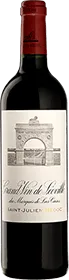
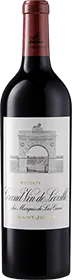
Château Léoville Las Cases 1989
In-Stock
Let's talk about this product!
A pairing in mind? A question about the vintage? Comparison with another product? Find the answers here...
Description
Tasting Notes and Recommendations for Château Léoville Las Cases 1989
Tasting
Appearance
The wine displays a deep ruby-red color with blue-black highlights, characteristic of this outstanding terroir.
Nose
The bouquet reveals remarkable aromatic complexity. Notes of blackcurrant and blackberry intertwine with aromas of tobacco, cedar, and graphite. With aeration, the nose evolves toward nuances of truffle, forest floor, and dried flowers, accompanied by subtle hints of cigar box and sweet spices. This aromatic palette reflects the wine’s graceful evolution in bottle.
Palate
On the palate, the wine shows a medium to medium-full body with refined elegance. The attack reveals ripe dark fruits—blackcurrant and black cherry—carried by silky, perfectly integrated tannins. The velvety texture coats the palate as notes of chocolate, mocha, and minerality gradually emerge. The balance between fruit, tannic structure, and lively freshness gives the wine remarkable harmony. The finish lingers at length on aromas of tobacco and minerality, with an elegance characteristic of the Saint-Julien appellation.
Food and Wine Pairing
This Château Léoville Las Cases 1989 pairs beautifully with roasted or grilled red meats, feathered and furred game, as well as braised lamb. It also matches well with duck preparations, mushroom-based dishes in sauce, or even seared tuna. Aged hard cheeses also make a harmonious pairing.
Serving and Cellaring
Château Léoville Las Cases 1989 is best served at a temperature between 16 and 18°C. Decanting for one to two hours helps separate any sediment and fully reveal the wine’s aromatic complexity. At peak maturity, this vintage offers immediate drinking pleasure while retaining enough structure to continue evolving favorably over the coming years under optimal cellaring conditions.
A Great Saint-Julien at the Height of Its Expression
The Estate
Created between 1826 and 1840 when the former Domaine de Léoville was divided, Château Léoville Las Cases is a Second Growth of Bordeaux, in the Saint-Julien AOC in Saint-Julien-Beychevelle. A family-owned property since the end of the 19th century, it is now owned and run by Jean-Hubert Delon, sole proprietor. The vineyard covers 98 hectares, including the Grand Clos—50 hectares enclosed by walls—near Pauillac. Cabernet sauvignon, merlot, and cabernet franc come together to produce a great wine recognized worldwide for its consistent quality and exceptional aging potential.
The Vineyard
The Château Léoville Las Cases vineyard benefits from a privileged location on the left bank of the Gironde estuary, in the Saint-Julien appellation. The famous 53-hectare Grand Clos, entirely surrounded by walls, rests on a terroir of deep gravel soils. This proximity to the estuary creates a microclimate favorable to optimal grape ripening. The cabernet sauvignon, merlot, and cabernet franc varieties thrive on these exceptional soils to produce wines of great finesse and remarkable aromatic complexity.
The Vintage
The 1989 vintage remains one of the most exceptional in the recent history of the Bordeaux region. The year was marked by a mild winter followed by an early spring that advanced flowering by three weeks. The summer proved extraordinarily hot and dry, even exceeding the temperatures of 1949. These remarkable weather conditions allowed for outstanding grape ripening. Harvesting began as early as August 31, a historically early date. Merlot reached remarkable levels of ripeness and concentration, while cabernet sauvignon was picked slightly before full phenolic maturity, giving the vintage its distinctive character of elegance and refinement.
Winemaking and Aging
The grapes for Château Léoville Las Cases 1989 were hand-harvested and carefully sorted. Parcel-by-parcel vinification took place in vats, with regular pump-overs during a maceration period of three to four weeks. After alcoholic and malolactic fermentation, the wine was aged in French oak barrels for around eighteen months. The final blend was assembled before bottling, allowing the different components to integrate perfectly and create the final expression of this great Saint-Julien wine.
Grape varieties
Cabernet sauvignon, merlot, cabernet franc