Assistant



 Guaranteed provenanceDirect from the estates
 DeliveryFree standard delivery over HK$5,000
 Secure PaymentVisa, American Express, Mastercard...

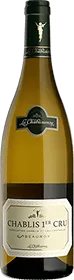
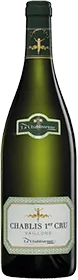
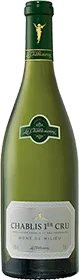
La Chablisienne : Chablis 1er cru "Beauroy" 2019
In-Stock
Let's talk about this product!
A pairing in mind? A question about the vintage? Comparison with another product? Find the answers here...
Description
Characteristics and tasting notes of Chablis 1er Cru "Beauroy" 2019 by La Chablisienne
Tasting
Appearance
The wine reveals a bright pale gold hue, characteristic of the white wines of Chablis.
Nose
The nose unveils a mineral and fruity bouquet typical of the Kimmeridgian terroir. Aromas of white fruits and citrus mingle with chalky and iodised notes, evoking the unique geological signature of the appellation.
Palate
On the palate, this Chablis 2019 expresses a crystalline freshness and remarkable tension. The mineral structure unfolds with elegance, carried by a lively acidity that gives the wine its dynamic character and precision. The saline finish extends the tasting experience with persistence.
Food and wine pairings
This Chablis 2019 pairs perfectly with a seafood platter, particularly fresh oysters that echo its saline minerality. It also brilliantly accompanies grilled fish, steamed shellfish or poultry in cream sauce. Fresh goat cheeses also make a harmonious pairing.
Serving and cellaring
This Chablis 2019 is ideally enjoyed at a temperature between 10 and 12°C. It can be appreciated now while also possessing cellaring potential that will allow it to evolve favourably for several years.
A Chablis true to the typical minerality of its Kimmeridgian terroir
The estate
Founded in 1923, La Chablisienne is the largest wine cooperative in Chablis, today bringing together 270 winegrower families who cultivate 1,200 hectares of vines, representing approximately 25% of the appellation's total production. Located in the Yonne department in Burgundy, this century-old cooperative has established itself as an essential reference in the region. Under the general management of Damien Leclerc and the oenological expertise of Estelle Roy, named White Winemaker of the Year 2024 by the International Wine Challenge, La Chablisienne continues its commitment to excellence and the authentic expression of Chablis terroirs. The cooperative stands out for its unique practice of receiving the harvest in the form of musts rather than whole grapes, ensuring perfect traceability and optimal quality control.
The vineyard
This Chablis comes from vineyards planted on the Kimmeridgian soils characteristic of the appellation, composed of a blend of marl, limestone and marine fossils dating back to the Jurassic era. This unique geological composition, rich in fossilised oyster shells, gives the wines their distinctive minerality and remarkable salinity. The vines benefit from a northerly position that favours the preservation of a crystalline acidity, the unmistakable signature of the great wines of Chablis. The mosaic of terroirs managed by La Chablisienne across the appellation makes it possible to express all the diversity and richness of the Chablis vineyard.
The vintage
The 2019 vintage in Chablis proved to be contrasted and demanding. After an early budburst favoured by a mild spring, the vines were affected by frosts in May that damaged certain parcels. Flowering took place in cool and humid conditions, causing a phenomenon of millerandage that reduced yields. Summer then brought intense heat and a prolonged drought, with temperatures exceeding 40°C and an almost complete absence of rainfall until after the harvest. These extreme conditions concentrated the flavours in the berries while remarkably preserving the natural acidity, creating an exceptional balance between richness and freshness. The harvest volume decreased by approximately 20% compared to the average, but the quality proved to be remarkable.
Winemaking and ageing
According to La Chablisienne's distinctive method, this Chablis 2019 was vinified from musts pressed by the member winegrowers, allowing complete control over the fermentation process. Vinification took place in temperature-controlled vats, followed by extended ageing on fine lees for twelve to twenty months in line with the estate's philosophy. This patient approach, favouring bottling at the optimal moment rather than according to a predefined schedule, encourages the development of aromatic complexity and characteristic minerality.
Grape variety
Chardonnay (100%)