Assistant



 Guaranteed provenanceDirect from the estates
 DeliveryFree standard delivery over HK$5,000
 Secure PaymentVisa, American Express, Mastercard...
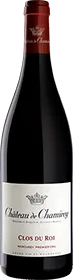
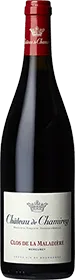
Château de Chamirey : Mercurey 1er cru "Clos du Roi" 2024

Out of stock
Would you wish to know when this product is back in stock?
Let's talk about this product!
A pairing in mind? A question about the vintage? Comparison with another product? Find the answers here...
Description
Characteristics and Tasting Tips for the Mercurey 1er Cru "Clos du Roi" 2024 from Château de Chamirey
Serving and Cellaring
The Mercurey 1er Cru "Clos du Roi" 2024 from Château de Chamirey is ideally served at a temperature of 13 to 14°C, like all the estate's red wines, to fully reveal its body and silky texture.
A Mercurey Premier Cru from Château de Chamirey, Rooted in the Clay-Limestone Terroir of Clos du Roi
The Estate
Château de Chamirey is a wine estate in Burgundy, located in Mercurey, in the Côte Chalonnaise. The château, an 18th-century building, overlooks the vineyard from its rocky spur. The estate has been owned by the Devillard family since 1934; Amaury and Aurore Devillard, who now run the property, represent the family's fifth generation of Burgundian winegrowers. Château de Chamirey spans 37 hectares, a large share of which is classified as Premier Cru, and is among the benchmark estates of the Mercurey appellation.
The Vineyard
The Mercurey 1er Cru "Clos du Roi" 2024 comes from a historic climat of the Mercurey appellation, farmed by Château de Chamirey across four adjoining parcels totalling just over three hectares. The slope, concave and almost amphitheatre-shaped, faces south/south-west, with dark brown soils dominated by clay and more limestone-rich edges. The vines, planted between 1970 and 2002, combine the depth provided by the oldest parcels with the vigour of the more recent plantings.
Winemaking and Ageing
The winemaking of the Mercurey 1er Cru "Clos du Roi" 2024 follows the broad principles applied by Château de Chamirey to this cuvée: a cold pre-fermentation maceration extracts colour and the first aromas, followed by a natural fermentation with punching down, the intensity of which is adjusted according to the grapes. A post-fermentation maceration then softens the tannins. Ageing takes place in oak barrels, with a proportion of new wood, followed by a period in tank before bottling.
Grape Variety
This wine is made from Pinot Noir.