Assistant



 Guaranteed provenanceDirect from the estates
 DeliveryFree standard delivery over HK$5,000
 Secure PaymentVisa, American Express, Mastercard...

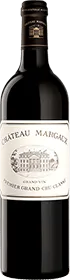
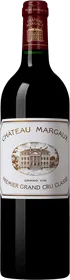
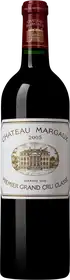
Château Margaux 1990
Only 2 available
In-Stock
Let's talk about this product!
A pairing in mind? A question about the vintage? Comparison with another product? Find the answers here...
97
/100
Decanter
This is a great wine and, like all the greats, it is always changing. In some recent showings it has been effusively plump and energetic; here it was more restrained and more mineral than I remembered. It is still profound, however, and with a bit of time in the glass it opens up to show extraordinary depth. There are some first hints of maturity and a subtle iodine note on the finish, but it is exquisite throughout and should continue to improve for years to come.
18
/20
Jancis Robinson
Jancis Robinson
Mid shaded garnet. Looked much older than the Ch Latour 1990 served alongside. Polished texture and fully mature. Very graceful and winning. I may be under-scoring this. (JR)
98
/100
Vinous
Stephen Tanzer
Full ruby-red. Wonderfully perfumed nose combines redcurrant, plum, mocha, minerals and rose petal. Plush, fat and rich, with great sweetness and class. This has utterly compelling mouthfilling richness. Finishes smooth and endless, with great breadth. This wine showed fabulous potential from barrel, but this is the first truly outstanding bottle I've had. Drink 2005 through 2035.
99
/100
Jeff Leve
Leve Jeff
Full-bodied, rich, opulent, elegant, vibrant and concentrated, the wine opens with violets, tobacco leaf, wet earth, currants, blackberries, forest leaf and a touch of spice. If that wasn't enough to seal the deal, the velvet-textured, multiple layers of silky fruits that linger will command your palate. This is one of those stunning wines that stays with you long after the night is over.
100
/100
Falstaff
Falstaff
Dark ruby, purple reflections, watery rim. Very inviting bouquet of black cherries, a hint of caramel and fine roasted aromas, with cassis and candied violets; a magical fragrance. Juicy, salty, characterised by great fruit expression, perfectly integrated tannins, chocolatey nuances, white pepper. A wine with finesse and certain ageing potential.
19
/20
Weinwisser
Bright ruby, with barely a hint of maturity, fairly pale toward the rim. Waxy bouquet, subtly lactic, a touch of margarine, red berry fruit, showing an almost jelly-like sweetness, rosehip and a hint of chamomile, honeyed notes from overripe Merlot, expansive with a wonderfully flowing nose. On the palate juicy, even silky, it seems slender, yet the length is truly brilliant and almost dance-like, a certain fragility is already present, and inside it reveals plenty of Margaux perfume. It truly has something Burgundian about it and brims with finesse. For a long time now, one of the very best bottles. Drink, dream, sway.
20
/20
René Gabriel
I do feel a bit guilty when, to give this wine some context, I can choose from more than 30 notes. While other wine geeks may only dream of once taking a sip from such a glass, or, with great reverence, pick up the only bottle in their cellar from time to time, I’m “swimming” in tasting notes that show me the decision to hang up the chef’s job and switch to the wine trade was absolutely right. Who could possibly eat that much? Barrel sample in April 1991 (20/20): multi-layered, nuanced bouquet, nuts, glycerol-like richness, raspberries, spice play. On the palate, breed, finely structured extract. Rich body with Cabernet dominance. The breed could come from the perfectly successful Petit Verdot, present at 10% (!) in the Grand Vin. Red fruits prevail on the nose, blue fruits on the palate. Fine, persistent finish with a long future. Likely to become the best Premier Cru of the vintage. In elegance like an ’85, in potential like an ’83. Often tasted at the château during Académie du Vin trips. Arrival (20/20): if there were a wine perfume, this 1990 Margaux should be the base: substance, substance and more substance, but of the finest kind, a finely knit astringency in absolute perfection. In 1995, in a blind tasting of four different wines from four different continents/countries at Walter Eigensatz’s, I knew this had to be a great Bordeaux: from the oversized bowl in which it was served, the bouquet was lavish, perhaps almost a bit too toasty. On the nose, it currently shows a note of evolution, which is why I strongly advise against drinking it right now. <div style="font-style:italic;color:#990033">If a wine smells of bananas, it’s a wine of the century!</div> Jean-Paul Gardère, the former director of Château Latour, once whispered this secret tip in my ear. I could never quite understand it, although sometimes – with certain wines – I felt I could smell bananas in some form. In 1996, after finishing the cellar work, I sat down with half a bottle of Margaux 1990 and smelled bananas, as clearly as I’ve never experienced even with bananas: the nose (besides banana) is concentrated, almost like Port and dried fruits of all kinds. I’ve rarely encountered such a delicate sweetness in a wine. On the palate, it’s extremely concentrated, yet full of finesse at the same time. This trait in such perfection exists only at Château Margaux and sometimes at Lafite-Rothschild. Since then, drunk often again. It remains a Bordeaux dream, even if lately I’ve rated it a few times at 19/20. Arlberg tasting: absolutely delicate wild-berry bouquet, already perfect on the nose alone. On the palate, that typical, straight berry note, very fine but extremely densely structured tannins, still youthful, peppery and far from first peak maturity, a dramatic finish with persistence and freshness rarely experienced in a wine of just over 10 years. In this series confused with the 1990 Pétrus. 00: deep garnet with ruby highlights. Delicate cedar and plum bouquet, light tobacco note, stag leather. On the palate sweet, again lots of plum, gently jammy extract, hint of raisins, truffle, still finely astringent tannins. Will it gain again and reconnect with its youthful top form, or must one accept that Latour and Pétrus will battle for the 1990 podium (19/20)? 01: Honivogl 1990 or Margaux 1990? Don’t compare apples with pears. Especially not white wine with red wine. It wasn’t intended either; it happened purely by chance. Autumn 2002, a Saturday evening, Hotel Haus Paradies Ftan, around 40 friends at the tables. The gala dinner opened with two flights of three white wines from Irmgard and Franz Hirtzberger of the Wachau, who were also at our table. First flight: three Rieslings (Singerriedel), second flight: three Grüner Veltliner Smaragd Honivogl from vintages 1999, 1995 and 1990. Each wine already a revelation. Then the first reds from Château Margaux with its second wine; Pavillon Rouge du Château Margaux. And then finally the Premier Grand Cru itself. Fragile bottles from the 1937 vintage. The 1959, dry at first, gaining with air. A brutal, disappointing Margaux 1986. Comforting then a juicy Imperial 1979 – pure nonchalance! The legendary 20/20-point Margaux from the 1983 vintage. Then finally – Margaux 1990! 100/100 Parker points and otherwise in the points Olympus of all wine journalists: so round, so fine, so rich yet elegant, caressing tannins, lavish aromatics. On this evening, from the first sip, you’re faced with an undisputed winner wine. And somehow with this Margaux 1990 the evening is already decided. Everyone is happy and I’m relieved. One last sip and good night. But it’s not that late yet and I see that from the first series I still have “leftovers” from the last white flight on the table in front of me. A “repair wine,” I think, and let the room-temperature remnant of the 1990 Honivogl glide over my tongue. I’m not so dulled that I don’t notice what now plays out on my palate after the brilliant Margaux 1990. The game doesn’t start from scratch; rather the previous finale gets a new climax. As if, after the last rocket boom, the fireworks once again set off into an oversized blaze. A white wine with more aroma than the Margaux 1990 – more volume, more grandeur, simply more of everything. And today there are wine lovers (statistically over 70%!) who generally rate red wines qualitatively higher than the world’s greatest white wines. And the world’s greatest white wines are still mistakenly sought only in Burgundy. After this unintentional, spontaneous comparison, I know all the more why I enjoy going to the Wachau and why Franz Hirtzberger is among my favorite winemakers there. 02: and again it didn’t quite make the maximum score: nutty, slightly lactic bouquet, bound and buttery. On the palate round, caressing, pure elegance, Burgundian notes, still shows a lot of reserve and a sensational red-berry aromatics on the aftertaste. Do we confuse beauty with greatness here, or will it one day be able to unite the two desired elements? A top wine all the same, the 1990 Margaux. 05: a half-bottle from my cellar drunk with Andy Kollwentz. Two weeks later again at Heinz Wetter’s birthday. This crazy, perfumed red-berry sweetness and the warmth of the radiant tannins make both Bordeaux and Burgundy fans flip. Since the same series also included Montros 1990, one does notice that a straight 20/20 would be inappropriate. But this in no way diminishes the beauty of this brilliant wine! (19/20). 07: drunk a few times. Several times from small bottles and here again from a normal bottle at my 50th birthday. The wine is somehow getting slimmer, the acidity remains and the sweetness now shows, inside, traces of slightly green Cabernet. Whoever doesn’t drink it now – it’s their own fault. Unfortunately, what I’ve experienced recently is no longer enough for the maximum score. In Holland: it has clearly lightened in recent years and in its glowing garnet also shows orange tones and amber nuances at the rim. The nose is beguilingly sweet, shows buttery tones, light caramel, raisins and honey from very ripe to overripe grapes, with spicy herb tones behind. On the palate juicy, again sweet, caressingly rich tannins, Burgundian flow, perfumed in the finish. Undoubtedly a beautiful Margaux, certainly now in full maturity, but to keep up with its own greatest vintages and with the greatest Bordeaux of its time, it ultimately lacks concentration and further aging promise. 08: Imperial in Vienna. Medium garnet, clearly lightening, orange rim. Overwhelmingly sweet bouquet, shows raisins from overripe grapes, light vanilla, café au lait, plums, dark raisins, opulent with medium drive. On the palate very ripe, full of charm, again an unbridled sweetness, has recently lost some drive and thus shows that it has reached its peak. Beauty and grace! Nose: 19/20, overall impression: 18/20. 10: again here, more a wonderful nose than a great wine on the palate – complaining at a very high level! (18/20). 10: a really great bottle at the big 1990 tasting in the Saanenland. Maturing color, clearly lightening. Sweet bouquet, rock candy notes, summer truffle, a hint of caramel, reduced pear juice, very fragrant and fully open. On the palate dry extract, walnut shell notes, feels leathery and lacks a bit of fat in the flesh, ending with a raisiny touch. (18/20). 12: clearly lightening, but surprisingly few mature notes. Open, finely sweet bouquet, lots of raisin tones, honey nuances, light malt, dried chamomile. Finely creamy, Burgundian flow, homogeneous, fine herb tones in the extract, very long aftertaste. The nose is clearly at 20/20. On the palate, it no longer quite gets there. Depending on the bottle between 19/20 and 18/20. 12: dangerously mature color, distinctly brick-red rim outside. Beginning with honey nuances, red-berry, the sweetness is almost compote-like, light noble woods, fully open, on the second pass herbs and hay nuances. On the palate, on the one hand full, on the other not particularly concentrated, ends – aromatically – very long but no longer forceful. A fine Margaux delicacy now probably in its final enjoyment shape. The nose is at 19/20. The rest at 18/20. 13: bright ruby, little maturity shimmer, fairly light at the rim. Waxy bouquet, subtly lactic, a hint of margarine, red-berry fruit, on the sweetness side also showing a jelly-like component, rosehip and a touch of chamomile, as well as honey notes from overripe Merlot, expansive and with a pleasantly flowing nose. On the palate juicy, even silky, seems slender, but the length is brilliant and almost dancing, a certain fragility is already there, inside it shows plenty of Margaux perfume. Truly something Burgundian and bursting with finesse. One of the very best bottles in a long time. Drink, dream, stagger. (20/20). 14: intact wine-red, still a fine ruby shimmer, color radiant. Crazy bouquet, small, ripe and also candied fruits, the fruit is insane and still incredibly fresh. On the palate like a deep Richebourg, again showing fruit already dramatically concentrated, substantial palate, coconut marrying with noble wood. Legendary Margaux, dense and dancing at the same time. An oenological renaissance. (20/20). 15: clearly lightening and showing its 25 years of bottle age. Beginning with a delicate, fairly sweet bouquet, honey nuances, chamomile, raisins and light noble woods. Fine caramel across it all. On the palate, one of the most beautiful Burgundies ever produced in Bordeaux, elegantly dancing. Don’t wait any longer – uncork! 16: maybe not the greatest Margaux of this tasting, but certainly the most popular. Before I even touched the stem of the glass, delighted “ohs” and “ahs” reached my ear. The nose intoxicating and expansive, enormous spread of sweetness from coconut, caramel through sandalwood and raisins. On the palate creamy, soft and with superb, yet almost fragile balance. For years it has fascinated at this level as the incomparable, most brilliant “Chambertin-Margaux variant.” 20/20. 16: mature, lightening color, you can clearly see certain maturity tones. The nose powerful and mild at the same time, exuding enormous sweetness. On the palate also showing a sweet component, curiously I found a few red pepper traces that I didn’t know from earlier encounters. Overall dancing and with red-berry perfume. Now mutating into a very Burgundian-looking Château Margaux. This bottle: 19/20. Probably because the 1990 Lafite was next to it. (20/20). 17: relatively light, large rim on the outside, showing some maturity, still clearly garnet in the middle. Ultra-ripe bouquet, marked by sweet raisin and date tones, expansive with Burgundian, subtly lactic approach. On the second nose; honey and light malt, wonderfully full on the nose. Absolutely intoxicating. On the palate like a Chambertin and Richebourg at the same time, the tannins are plush, fully integrated, creamy, beguiling finish. Is this wine really truly great or simply “over-sexy”? In any case, it was the crowd favorite of the evening. Absolute unbridled pleasure. (19/20). 20: maturing garnet, fine rim outside. Open, bonded bouquet, wide-reaching. With aromas of red currant pastilles, red currant jelly, light malt, fine woods, stag leather and freshly cut chanterelles. On the second pass peppery and traces of rosemary. A real nose orgy with erotic traits. On the palate it gets sweeter, shows caramel, honey, raisins and rock candy. In terms of body it feels elegant, almost light, and shows a juicy balance. As with the 1990 Palmer, this one is already almost outrageously drinkable. At a very high level, of course. Unfortunately, the market price has continuously increased in recent years. (20/20). 22: medium garnet with lots of brick-red reflections. The bouquet is minimally compote-like, tending towards red berry, dried goji berries, rosehip jelly, red currant jam and Amarena cherries. Erotic to intoxicating with its general nose sweetness. On the palate complex, full, creamy, graceful and ultra-charming. When people sometimes claim that certain wines of the Margaux appellation come across Burgundian, that is definitely the case here. Power and finesse. A most, most, most beautiful Château Margaux! (20/20).
19
/20
André Kunz
Silky, creamy, sweet, powerful, complex bouquet with plums, strawberries, flint, delicate praline notes. Balanced, dense, elegant, fine palate with powerful, sweet aromatics, fine tannins, dense, creamy structure, and a long, powerful, fresh finish. 19/20 to drink
100
/100
The Wine Independent
Lisa Perrotti-Brown
The 1990 Chateau Margaux has a deep garnet-brick color. The nose positively explodes—a detonation of crème de cassis, plum preserves, and blueberry pie aromas, which is, given time and much swirling, followed by that classic Margaux perfume of candied violets, incense, fragrant soil, and fallen leaves. The medium-bodied palate is jam-packed with black fruit and exotic spice layers, supported by beautifully plush tannins and just enough freshness, finishing long with loads of mineral sparks. If you are lucky enough to have a bottle, settle in for an absolute thrill ride with this legendary wine! It is the epitome of Margaux expression, not only of this terroir, but also its caretakers.
92
/100
Jean-Marc Quarin
Jean-Marc Quarin
Logo on the cork: inverted T (Trescases) Medium, evolved color. Intense, fruity nose, but not as ripe as the previous wines. Hints of ink and licorice. Soft and precise on the attack, very, very fruity through the mid-palate, airy and melting, but a touch lively on the finish; the wine ends fragrant, with good length. Variations appear from one bottle to another.
92
/100
La RVF
Beginning to evolve, lactose notes, smoky undertones and fruit still vibrant. Creamy palate, beautiful balance.
100
/100
Robert Parker Wine Advocate
Robert M. Parker, Jr.
I had this wine both in Seoul, Korea in February, and from my cellar in December, 2008, and it was remarkable how identical the wines smelled and tasted. It offers an extraordinary aromatic display of spring flowers, camphor, sweet red and black fruits, a hint of licorice, and no evidence of its 100% new oak cask aging. Round and generous with low acidity, but an opulent, full-bodied richness that is fresh with laser-like precision, this stunning wine is just beginning to reach its plateau of full maturity, where it should remain for another three decades. A sensational effort, it is one of the legendary wines made at Chateau Margaux. Release price: ($1800.00/case)
Description
Characteristics and tasting tips for Château Margaux 1990
Tasting
This vintage charms with its softness, fruity backbone, and structure. Its power echoes that of the 1989 vintage.
A rich and harmonious Grand Cru Classé from Margaux
The estate
With origins dating back to the 12th century, Château Margaux is among those Grands Crus that have built the legend of Bordeaux’s great wines around the world. In 1855, the estate was elevated to the rank of Premier Grand Cru Classé and was the only one of the four châteaux presented to receive a perfect score of twenty out of twenty. With the acquisition of the property in 1977 by André Mentzelopoulos, Château Margaux began a new chapter in its history. Elevating the Grand Vin of Château Margaux to the highest level, he reintroduced the estate’s Second Wine, Pavillon Rouge du Château Margaux, first created in 1908. Following in her father’s footsteps after his premature death, Corinne Mentzelopoulos took up the family standard with energy and passion to preserve the standing of Château Margaux, which had become a Bordeaux masterpiece, so recognizable for its Neo-Palladian style. Vintage after vintage, the estate’s wines rank among the greatest in the world.
The vineyard
The vineyard of Château Margaux owes its uniqueness to its rare and singular terroir, located on a gravel hill. The estate’s varietal composition gives pride of place to the region’s flagship black grape, Cabernet Sauvignon, alongside Merlot, Petit Verdot, and Cabernet Franc. The estate’s clay-limestone soils give rise to legendary wines, with a racy, sensual profile that so perfectly represents the great wines of Margaux.
The vintage
The mild start to the year was followed by a summer whose heat and dryness tested the vineyard. September rains were beneficial in ensuring optimal ripeness of the berries.
Blend
Cabernet Sauvignon, Merlot, Cabernet Franc, and Petit Verdot.