René Gabriel
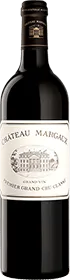
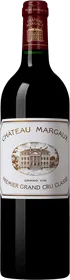
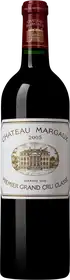
90: I still had Latour on my palate when we were poured the barrel sample of the ’89 Margaux (17/20): spicy bouquet, dark wood, already knit, medium texture. No chance of matching the quality of the ’83 or ’86. Merlot was harvested on September 8, Cabernet on September 16. By September 27 everything was wrapped up. Shortly after bottling at the Château: an overcooked, atypical Margaux. For now it’s only 16/20! As an Amarone it would be an 18/20 experience. Beyond the sweetness, what bothers me most is the barrique that dries the wine and a touch too much pepper on the palate, showing as chili, Tabasco, and paprika powder. A difficult future? 1992, a half bottle: It’s very curious that such a young, great wine already hides brown reflections beneath the surface. Very likely some berries were sunburned and this brownish note transferred into the base color during fermentation. Unfortunately, this also confirms my theory I already formed in 1991 about this wine: fat, rich nose marked by dried fruits (pear and banana). On the palate hot and punchy. Fine tannin, now surrounded by a lot of fat due to the rather low acidity. I can imagine many wine lovers who taste the wine first and then read my notes will disagree with my rating. To me, it’s totally atypical and far too expensive for what it offers. You can get such hot juices in Italy by the truckload at half the price, which would still be too expensive. And time and again, whenever I was served it, I noticed the overcooked, raisiny tones on the nose and the dry tannins, e.g. in 1994: powerful red-berried concentrate, mulberries and wild strawberries, sweet, smoke, roasted dried fruits. Lots of material, yet very dry in the tannins, viscous flow. Probably a bit too little wine fat to offset the dryness in the tannins. ’99: To bridge a rainy Sunday afternoon with card games, Bärti Stocker had already put aside a magnum of ’89 Margaux: already first signs of maturity with brownish highlights. The bouquet is hot, Corinth-like, showing chocolate notes but also raisiny traces from very ripe Merlot. On the palate, the dryness gives enormous concentration, but makes the extract even drier and almost a bit viscous. Petit Verdot accounts for a black pepper note and a tea tone, like you only find in great Hermitage. On the one hand, an astringency still seeking maturity; on the other, that dryness which has always been its hallmark. Keep following – but it will never become a truly great Margaux (17/20). ’01: My God, when I think how much fun Monbrison is and how brilliant Palmer is, I have to openly reproach the Margaux team: earthy, almost fruitless bouquet, raisin tones, but also certain oxidative aromas in the overcooked bouquet. On the palate so dry you have to activate saliva just to be able to swallow it at all. The potential is there, but one must seriously ask whether the wine will ever gain the famous Margaux charm. If it doesn’t improve soon, it will lose one or even two points (17/20). ’03: Slightly lightening garnet, first orange shimmer, broad rim outside. Headily sweet bouquet, lingonberries, light fine woods, café au lait, roasted nuts, delicate and fine. On the palate it seems rather light, yet remains dancing, heavily raisined fruit, honey contours, the tannins carry a tendency to dryness, spicy finish with Irish moss and gingerbread. Will it dry out or fill out? Very hard to judge. One more or less question mark hardly matters anymore for this 1989 Margaux (17/20). ’06: What a lunch. We ordered three wines at once and let the soldiers march in together. In the right glass: 1989 Latour, in the middle: 1989 Lafite, and left: this 1989 Margaux. The color surprisingly deep, with gentle maturity tones. The bouquet began and remained dry, very spicy, leather notes, dried herbs and candied malt. On the palate firm, with a strong acidity, very concentrated. The wine is still developing and shows an astonishing, previously not properly noticed potential. (18/20). ’07: Dark purple, showing a discreet brownish shimmer in the core. Sweet bouquet, gently dry, currants, smoke, summer truffle, suede and musk, overall a hot expression. On the palate still present, meaty tannins, grainy flow, showing a massive body and superb concentration. Long finish, belongs among the classics. ’08: Tasted blind in Spain alongside the again disappointing ’82 Château Margaux. The ’89 keeps getting better and is shedding its youthful sins. It’s minty, rather thick and shows malt and herbs on the palate. If it keeps going like this, it will land at 19/20! ’10: In fact there was more power in the glass than in the maximally scored Palmer in the glass on the left. But with Premiers, in the end it’s finesse that counts. (18/20). ’12: Deep purple, fine brick-red rim outside. Sweet, compote-like bouquet with a slightly alcoholic impression, conveying a touch of Ruby Port, heady. On the palate at the attack – unusually creamy and fat for a Margaux – then with tannins still demanding more. Over the past years it has improved by nuances and seems to want to gain another point. It has plenty of time for that, as the potential is exciting and easily covers another 20 years. (18/20). ’13: Bright wine red, fine brick-red shimmer inside. Fragrant bouquet, slightly stemmy aromas, Dominican tobacco, Red-Belt-Pepper (dried red paprika), cayenne notes, at times also a slight dustiness. On the palate showing good concentration, the extract is (still) blocked, so the acidity still hasn’t fully integrated. Thus – as Château Margaux – still too little charm and still slightly rough-hewn. The sweetness on the finish is, however, very conciliatory. Start without haste. There is still some surprise potential here. (18/20). ’14: Dry-sweet bouquet, curry glint, raisins, honey, first leather notes. On the palate with a piquant opening, meaning peppery tannins on the tongue. A racy, almost impetuous Margaux. Just at the beginning of a long drinking maturity. (18/20). ’20: Magnum. Dark red in the middle, brick-red shimmer on the rim. The dry-leaning bouquet shows many kinds of dried fruits. Foremost: raisins and currants. Then smoky nuances, tar, dark malt and dried kitchen herbs. On the palate it is powerful. It still shows many undigested tannins, which give this masculine-looking Margaux a deep tone. It needs more time and it’s not certain it will harmonize. Perhaps the regular bottles are already a bit further along. This was a very youthful-looking magnum. (18/20).





 Guaranteed provenanceDirect from the estates
 DeliveryFree standard delivery over HK$5,000
 Secure PaymentVisa, American Express, Mastercard...